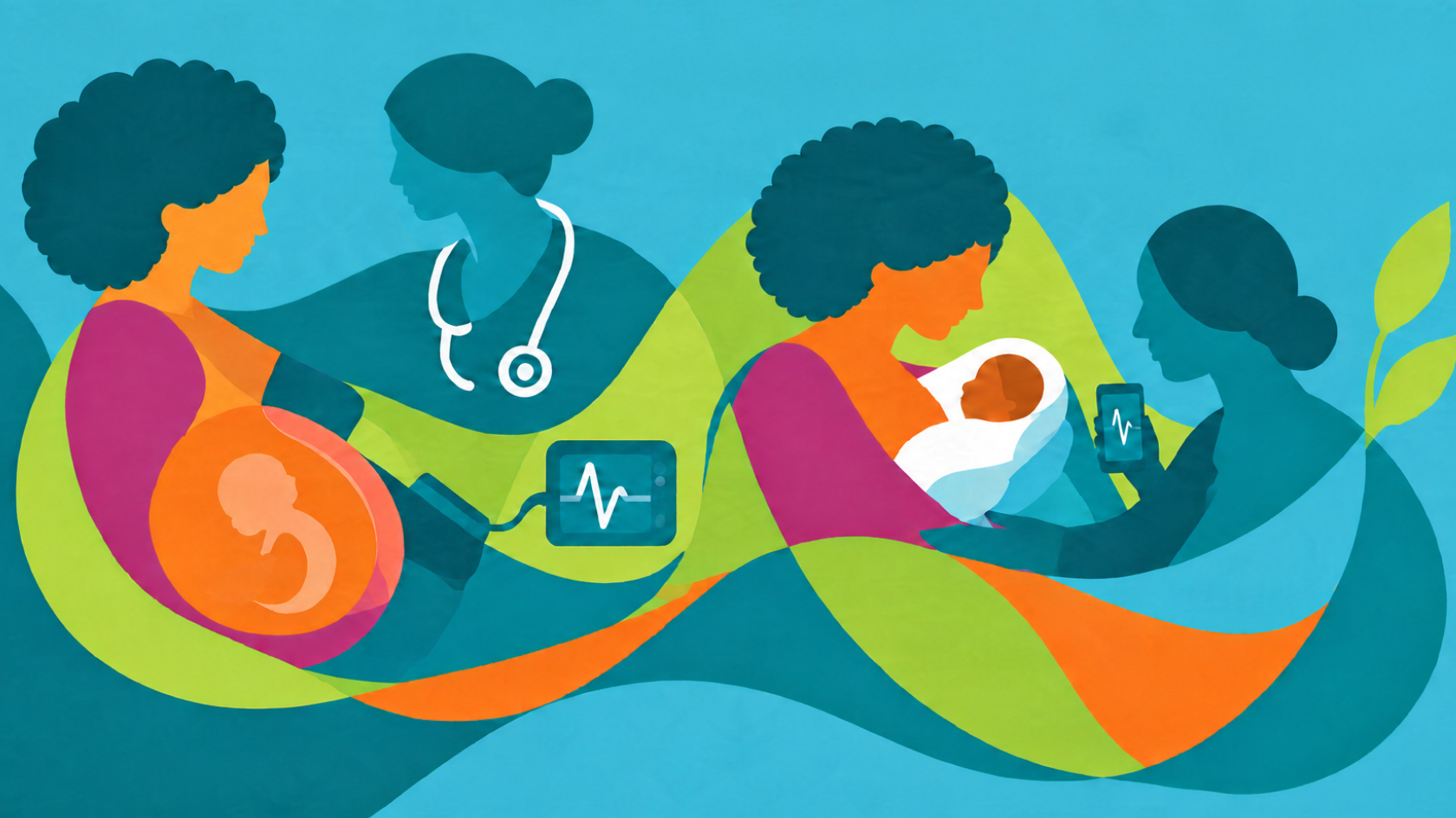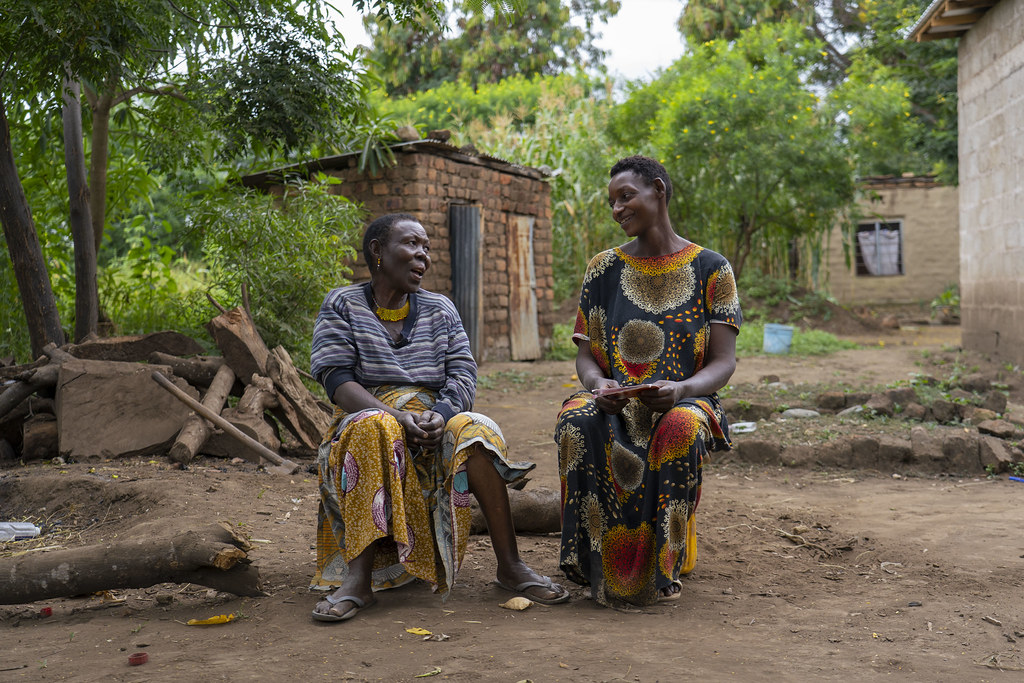
Think of a time when you, or someone you love, needed care. Not just a single health visit, but care that required multiple appointments with different health workers. The first contact, a referral, test results, follow-ups. An entire journey of care.
How many times did you have to repeat the same story? The symptoms, the results, the medicines, the vaccines. How often did you leave a consultation wondering whether you had forgotten to share an important piece of information, with fear that it might have changed the health worker’s decision? And how many times did you realize that the nurse didn’t know what the doctor had said, that they had never seen the lab results, and that maybe even the advice from one visit contradicted the advice from another?
You or your loved one became the only thread connecting the care.
Everyone doing their jobs correctly, but it’s not enough, because primary health care is not a series of separate visits. It should be a journey, and right now, nobody hold the journey together.
We all have probably experienced this to some extent. The reason: primary health care has historically been built for single encounters, but good health is the result of complete care journeys. A care journey rarely stops after one visit. And this is a fragmentation issue: primary health care doesn’t organize providers, information, responsibilities, and resources around one complete care journey. So people fall through the gaps. Minor conditions become major. Or even fatal. Quality care is left to chance.
The sector has spent decades building facilities, writing protocols and training health workers, and D-tree has been part of that work for 22 years. These efforts have moved the needle, but we don’t think the next gains will come from another clinic or another protocol. Additional impact will come when information flows with patients, and providers at every level of care make decisions with the information they need: a danger sign identified in the community reaches the facility, a diagnosis from the clinic reaches the community health worker who factors it into care, and a discharge from the hospital triggers timely follow-up. The community health worker, the facility, and the drug shop all have the information they need about the same person — and they share responsibility for what happens next in that person’s journey.
In recent years, D-tree has been working toward this: Complete Care – a norm that is built on three principles. Shared information, shared accountability and shared quality.